
Reading Momentum Shifts in Best-of-Three Series
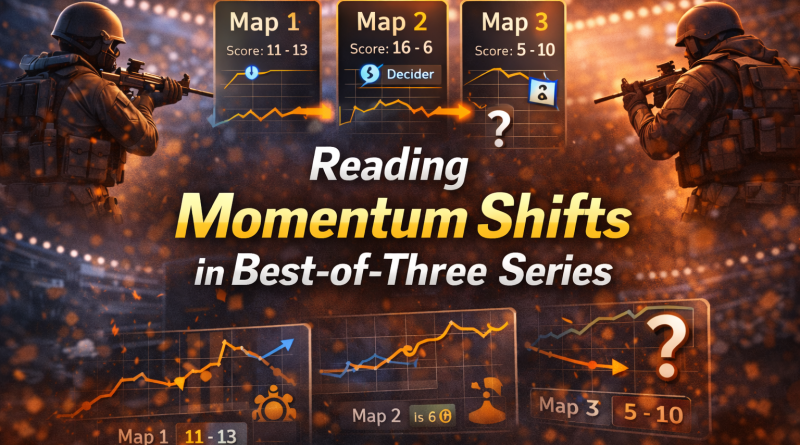
Momentum often shifts quietly during the best of three series before scores reflect change. Viewers following CS2 esports betting sometimes sense swings earlier than statistics suggest. Players feel these shifts through pacing, confidence, and communication inside rounds. Momentum lives in reactions, not numbers, shaping decisions before maps are decided. The best of three formats give space for emotions to rise and fall.
The opening map often sets a tone that lingers longer than expected. Early mistakes can stick mentally, even if the score remains close. Teams winning map one walk taller, speaking clearer and trusting instincts. Losing teams may rush adjustments, trying to escape lingering frustration. This emotional carryover often matters more than tactical changes planned.
Map two becomes a test of resilience rather than raw skill. Teams behind must decide whether patience or aggression feels safer. Momentum can flip quickly when a risky call finally pays off. Crowd noise or silence can amplify these moments dramatically inside. Players sense belief returning through posture, voice tone, and timing.
Small streaks within rounds often signal deeper momentum changes forming. Winning consecutive gun rounds builds calm that spreads across the team. Losing similar situations chips away at trust and patience slowly. These patterns rarely appear in box scores after matches end. Yet players feel their weight during every decision made there.
Between maps, breaks feel heavier than their short length suggests. Coaches speak carefully, trying to steady emotions without forcing change. Players replay recent rounds in minds, searching for missed chances. Momentum can reset here or harden into pressure inside teams. The pause often decides how map three will begin emotionally.
Map three carries the weight of everything felt earlier inside. Confidence from recovered momentum shows through assertive early moves there. Fragile teams hesitate, sensing danger even during favorable setups today. These feelings guide choices faster than any planned strategy can. Momentum now feels visible through every peek and rotation there.
Individual performances often rise or fall with team momentum levels. Star players look fearless when momentum favors their side today. Under pressure, even skilled players second guess routine actions briefly. Teammates sense this hesitation and adjust play subconsciously during rounds. Momentum connects individual feelings into shared direction for teams together.
Observers often mistake momentum for luck or randomness during matches. Players know it feels heavier, built from many small moments. A single clutch can change breathing patterns across the roster. Likewise, a failed hold can drain energy instantly from teams. Momentum reflects emotional memory as much as recent success felt.
After the series ends, momentum becomes clearer in hindsight for everyone. Players recall exact rounds where belief shifted suddenly inside teams. These memories shape preparation and confidence for future matches ahead. The best of three formats leave deeper emotional traces than single maps. Momentum remains the quiet force guiding outcomes beyond final scores.